(Photo/Lu Lu Rivera)
Surviving the Colombia Earthquake
By Warren L. Maye
A magnitude 7.4 earthquake struck western Colombia on August 10, 2026, centered near San José del Palmar in Chocó, causing catastrophic destruction across multiple cities including Cali, Pereira, Manizales, and Quibdó. More than 300 people were killed, and about 4,500 injured. Damage to homes and infrastructure is severe and widespread.
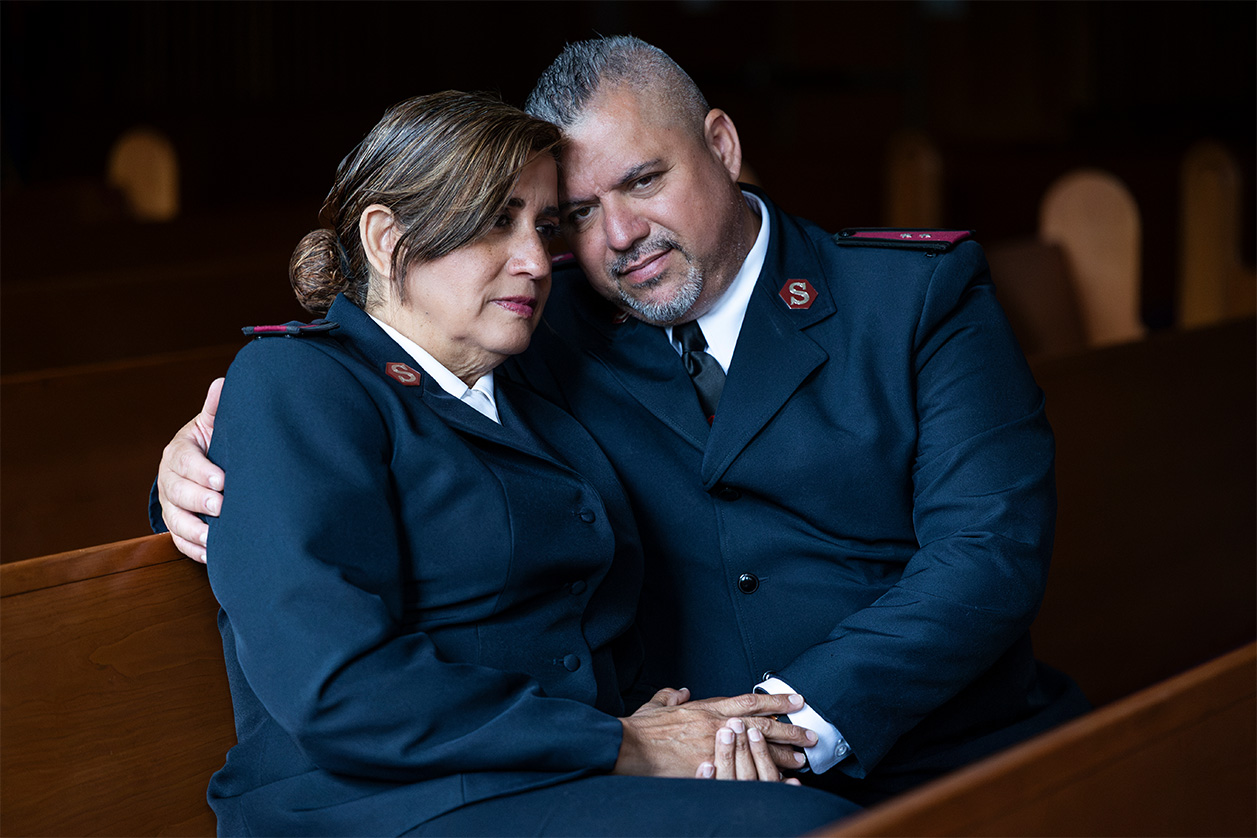
It was supposed to be the final hours of their vacation in Cali, Colombia. Captains Alexander and Olga Vargas were in their fourth-floor Airbnb apartment, preparing for the flight back to the United States. But at 7:34 a.m., the mundane rhythm of packing was shattered. Captain Olga felt dizzy, a sensation Captain Alex initially dismissed as a joke, until the ground began to heave.
The 12-story building turned into a nightmarish structure for these personnel officers from The Salvation Army College for Officer Training (CFOT). In the stairwell, the stairs and handrails were moving as they tried to walk down and grab hold.
“We saw the building actually like a Lego, like a Jenga tower kind of thing when it’s shaking,” said Captain Alex. “It was like coming down in a paper building. It was so unstable.”
They managed to reach the parking lot, but the safety of the outdoors brought a new, desperate realization.
They were safe, but they were also stranded. Their passports, money, and luggage were locked inside an apartment protected by heavy steel doors that automatically sealed shut. They were effectively refugees from their own temporary home.
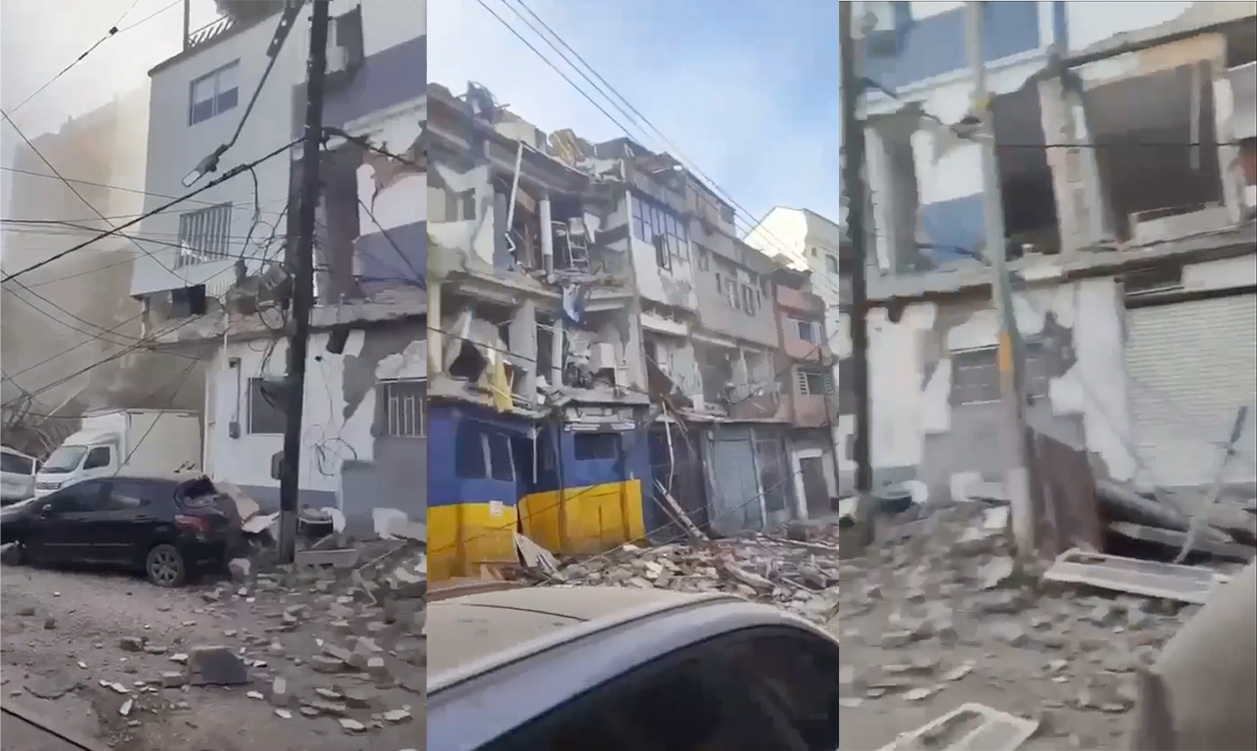
Video screenshots courtesy of Captains Vargas.
The hand of the Lord
Then came the first of what the Vargases called the “hand of the Lord.”
Security guards entered the building to shut off gas and water valves to prevent explosions. Captain Alex followed them, hoping for a miracle. He found it. The heavy steel door, designed to lock automatically every time it closed, was cracked open.
“I don’t know, I’m telling you, it was like God put His foot down and said, ‘Don’t let that door close,’” said Captain Alex. Vargas was able to retrieve their keys, wallets, and documents before the city descended into total chaos.
The journey to the airport seemed like a scene from a disaster film. With no power, no traffic lights, and the city in panic, they navigated through streets filled with people fleeing on bikes and in buses. Upon reaching the airport, they found widespread structural damage and faces filled with despair. Flights were canceled, the power was out, and the facility was dark.

(Photo/Lu Lu Rivera)
Praying against all odds
Throughout the ordeal, the Vargases’ spiritual thread remained strong. When the earthquake struck, the first person they called was Major Pamela Maynor, director of personnel at CFOT.
“Please pray for us,” Captain Olga told her. “We’re in the middle of a big earthquake.” As the phone signal flickered, Major Pam prayed loudly with them, a moment of connection that anchored them in the terror.
At the airport, as flights were repeatedly delayed and the city entered a state of emergency, they waited. There was no water, no food, and no air conditioning in the sweltering 90-degree heat.

Video screenshots courtesy of Captains Vargas.
Returning home
By 10:30 p.m., they boarded an emergency flight to JFK in New York City. The pilot warned them that takeoff was uncertain without power to the control tower, but nonetheless, they ascended into the night, leaving the dark and damaged airport behind.
The return to the U.S. brought a different kind of struggle. Captain Olga was hospitalized with sky-high blood pressure, a physical manifestation of the trauma they’d experienced.
After they got home, Captain Alex was so tired that he just lay down on the sofa.
“When my wife just called me, I woke up in panic mode. I was like, ‘Where are we? Which hospital are we in?’” he said.
It was a stark reminder that while they had physically escaped the devastation, the earthquake had left its mark.
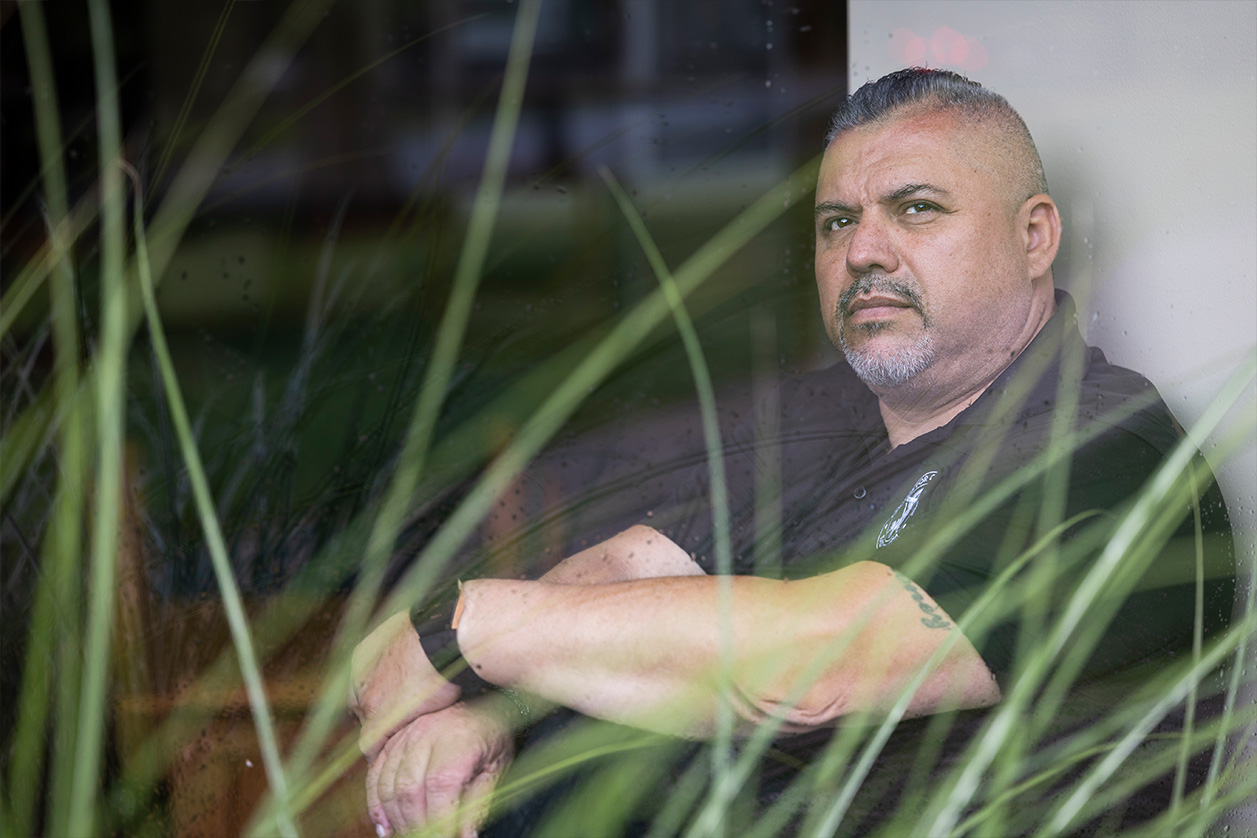
(Photo/Lu Lu Rivera)
Staying in touch
They’d left Cali behind, a city where beautiful places they had visited just 24 hours ago were reduced to rubble. It was a haunting contrast that left them with a profound sense of gratitude for their survival and a heavy heart for family and others still in the wake of the disaster.
“Her uncle got some damage in his house,” said Captain Alex. “Her other cousin had damage in their house. They were all shaken up. A couple of buildings close to their house collapsed.”
Entire neighborhoods collapsed in Cali and Pereira. Survivors remained trapped under debris for over 36 hours, and many residents were forced to sleep outdoors to avoid the risks posed by frequent aftershocks.
For Captain Alex, it was his first time personally experiencing an earthquake. He had previously supported disaster relief efforts in Puerto Rico with The Salvation Army’s Emergency Disaster Services (EDS), but being prepared to be a responder, he said, is completely different from suddenly being in the middle of an earthquake and its aftershocks.
“Right now, we are talking with a lot of people down there, my wife and I,” he said. “We have friends and family, and we’re talking to them. They say, ‘Yes, we’re fine. We just need some support, some emotional support because this is so hard.’”