The Gold Standard of Faithfulness
by Hugo Bravo
Corps Sergeant Major Charles R. Cowen kept a loud, buzzing police radio in his home. When he heard his name mentioned late at night through the scratchy static, he knew that he was needed at the Salvation Army corps in Newark, Ohio.
“The Newark Corps had a space called the transient room,” says Major Tawny Cowen-Zanders, Charles Cowen’s daughter. “It had a bed, shower, and food. When the police picked up homeless people at night, they knew to send them to Charles Cowen.”
He would drive to the corps, ready to open the doors to the transient room, no matter what time it was.
“We didn’t hear the radio say, ‘We need to call The Salvation Army.’ They said, ‘We need to call Charles Cowen,’” Major Tawny remembers.
This ministry was just one of the many ways in which Charles Cowen exemplified the meaning of service. Generations of souls would feel the impact of his ministry and faithfulness, perhaps none more so than his daughter Tawny.
“He took being a corps sergeant major very seriously,” says Major Tawny. “The covenant of a CSM is as strong as any Salvation Army officer covenant. I have a profound respect for local officers at corps, and it began at my father’s feet.”
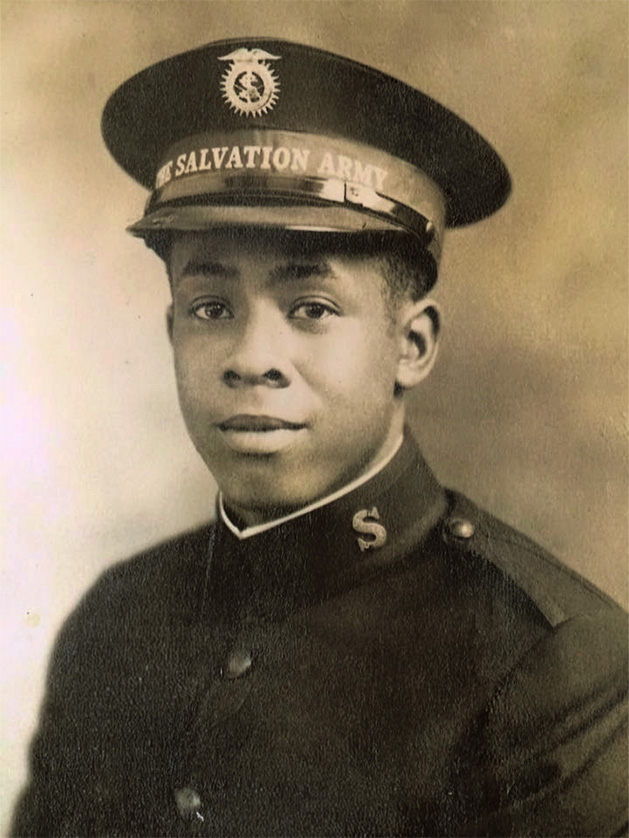
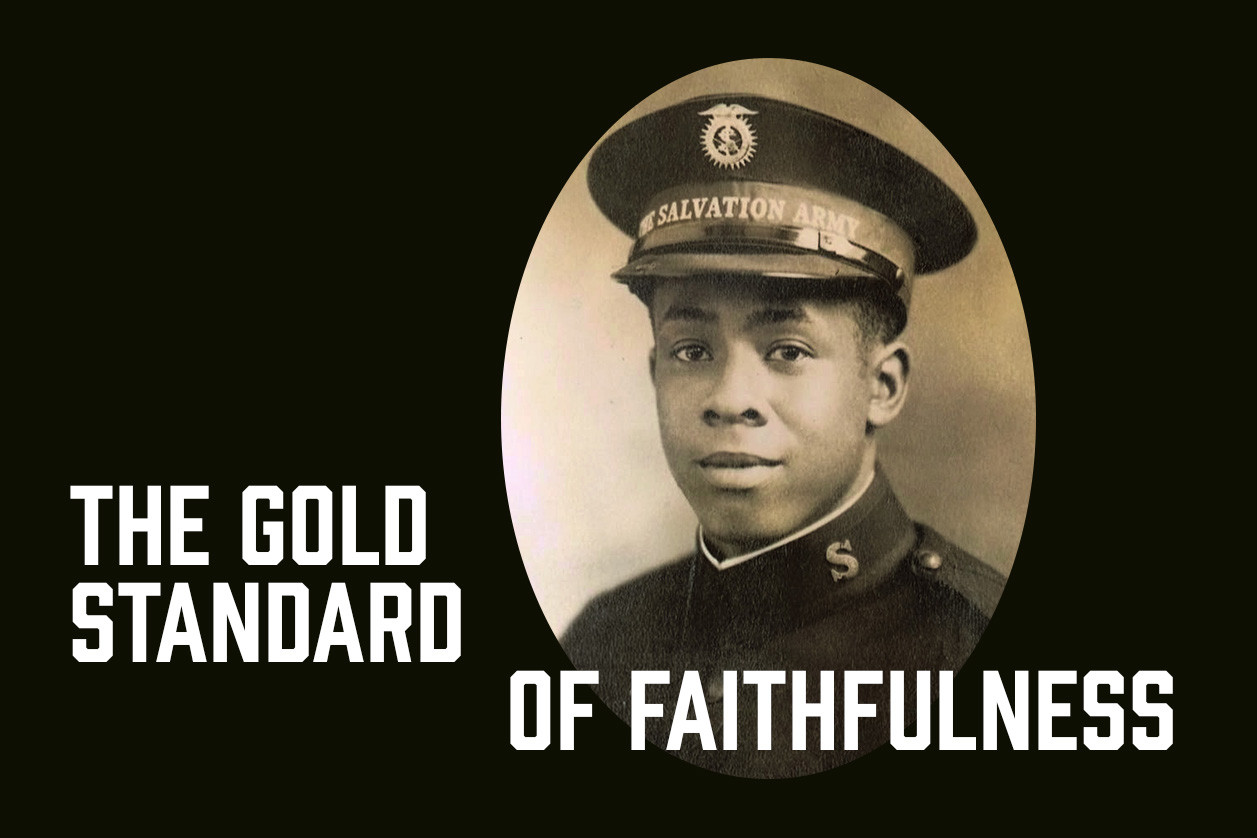
Corps Sergeant Major Charles R. Cowen (Courtesy of Major Tawny Cowen-Zanders)
Steadfast in service
As a teen in the 1930s, Charles Cowen was taken in by Salvation Army officers Raymond and Zelda Raines from Mount Vernon, Ohio. They treated Charles as their own son and introduced him to the ministry of The Salvation Army.
“Mom and Dad Raines, as we called them, believed in him and advocated for him to become a Salvation Army officer,” says Major Tawny. “There were probably a lot of back-and-forth letters from the Raines to the training college talking about my father, as he was an African American man in a country that often saw color as a barrier.”
Despite any resistance, Charles Cowen was commissioned in 1942 as a member of the Steadfast session. There wouldn’t be another African American officer until Lt. Colonel Abraham Johnson was first commissioned as a lieutenant in 1958.
Cowen left pastorship to serve in the U.S. Army during World War II. When he returned from the war, he continued service as a Salvation Army soldier and became the corps sergeant major in Newark, Ohio. He married Mary Neibarger, who was white, six years before Loving v. Virginia made interracial marriage legal in all 50 states.
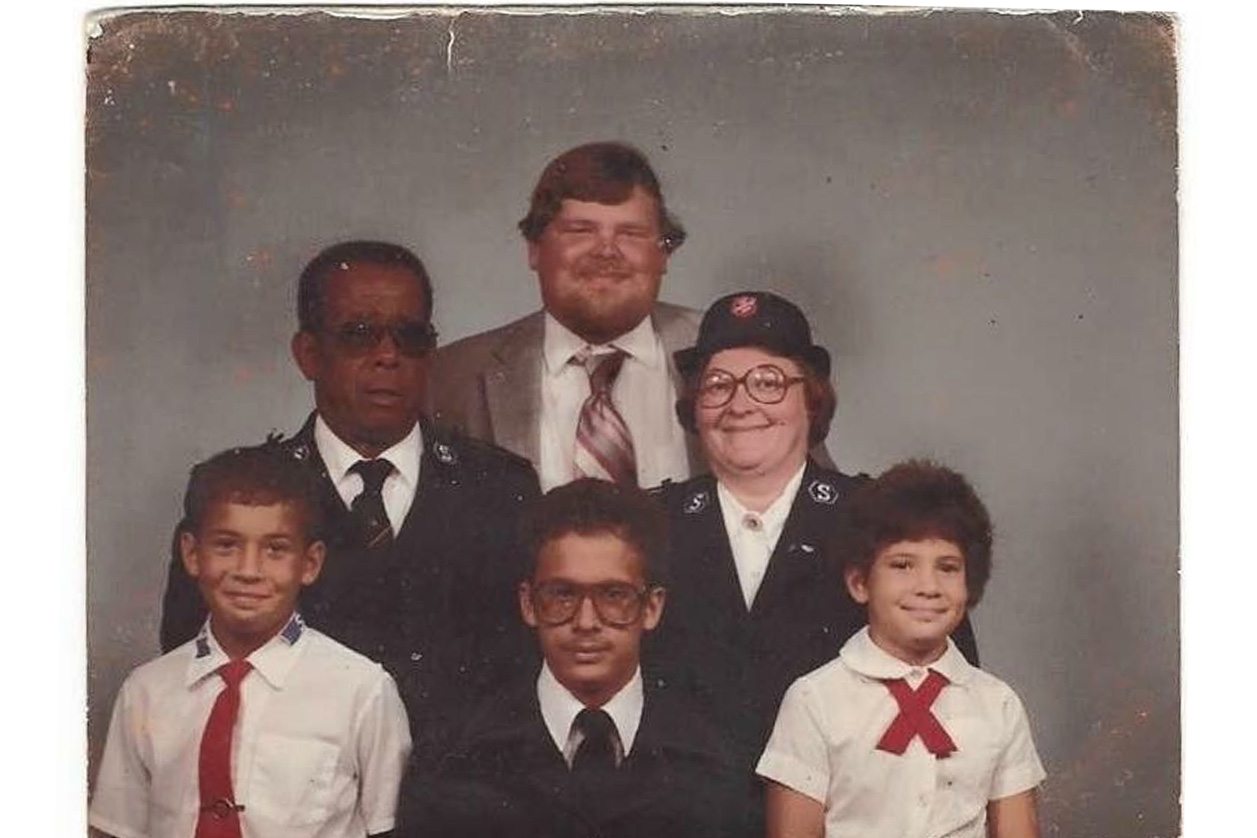
Charles and Mary Cowen (middle row) with their four children: Neil (top), Ray, Curtis, and Tawny Louise Cowen (left to right). (Courtesy of Major Tawny Cowen-Zanders)
Unto the Lord
Major Tawny remembers once asking her father why he worked so hard at the corps even though he wasn’t the corps officer in Newark.
“Tawny Louise,” he replied, “we do the work unto the Lord, not unto man.”
“He used my middle name, which meant I was in trouble,” says Major Tawny. “Today, when my daughter asks me why I take my laptop home with me to finish work at night, I know why my father had that police scanner in our home. I know why he would go feed people at the town square by himself if no other volunteers showed up. He believed that people need food, but they also need the Lord. And they meet the Lord through our actions.”
Major Tawny says she didn’t fully see the world that her father grew up in until she went to college and watched Eyes on the Prize, the award-winning documentary series about the rise of the American civil rights movement, in a sociology class.
“I think another reason he went the extra mile in service was because he knew that people had gone the extra mile for him too,” she says. “People with the character of saints like the Raines, who welcomed a poor Black child into their home in a time where that wasn’t culturally accepted.”
Works of faith
CSM Charles Cowen worked up until three weeks before his death on June 24, 2003. Tawny Cowen was preparing to enter the College for Officer Training later that year, but before that, she got a glimpse of how her father’s years of faithful service were valued in their Newark, Ohio, community.
“I was shocked reading tributes to my father in our local newspapers,” she says. “To me, my dad was just a quirky man going around and doing his Army stuff.”
He never did what he did for recognition, but he became well known and beloved in the community regardless.
“I wish that he would have been alive to see that Tawny Louise now understands that it’s all about our faithfulness to the work, even when we’re tired, or alone, or it’s late at night,” she says. “Major Larry Ashcraft once said to me that though he didn’t know my father too well, he considered his faithfulness to be the gold standard. I pray that when I pass, I’m known and remembered for my faithfulness too.”