“You have been a refuge for the poor, a refuge for the needy in their distress, a shelter from the storm and a shade from the heat.”
—Isaiah 25:4
On January 22, 2026, Hope 220 opened its doors on the second floor of the downtown Philadelphia building that houses The Salvation Army’s Eliza Shirley House. The Army’s Social Services Ministries team had been working hard since mid-December, through the holidays and snow, to prepare the 72-bed shelter. Another snowstorm was predicted to hit Philadelphia that coming weekend. Beds had to be made, food needed to be cooked, and staff wanted to be ready for the individuals looking for shelter.
“We would have loved to get six months to prepare,” says Kelly Devlin, Social Services Ministries director for The Salvation Army in Philadelphia. “But I don’t see how any other program that isn’t associated with The Salvation Army could have started as quickly as we did. The Army’s name, standards, financial backing, and status as an institution is well known and respected. We also have divisional leaders who gave us the full support to take this on.”
The Army’s ministry to combat homelessness is as old as the Army itself. To understand how The Salvation Army assists the most vulnerable individuals, it’s important to look at the people who run these shelters and face the myriad challenges they bring. Those staff members create environments that build support among residents and foster invaluable partnerships with their communities.
Harboring love
The name Harbor Light was once as synonymous with The Salvation Army as Kroc Centers or Adult Rehabilitation Centers (ARCs) are now. The first Salvation Army Harbor Light Complex opened in Indianapolis in 1949, with major cities like Boston, Detroit, and Cleveland soon following. Harbor Light had its own structured system for helping individuals suffering through drug addiction, homelessness, and alcoholism. Today, there are only two Harbor Light buildings in the Eastern Territory.
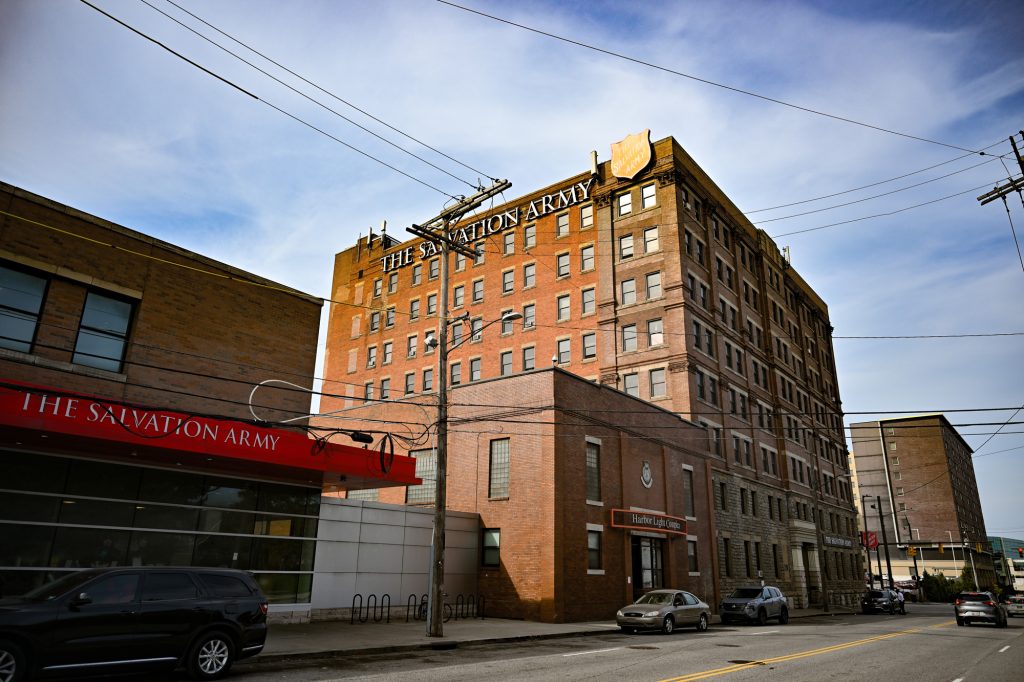
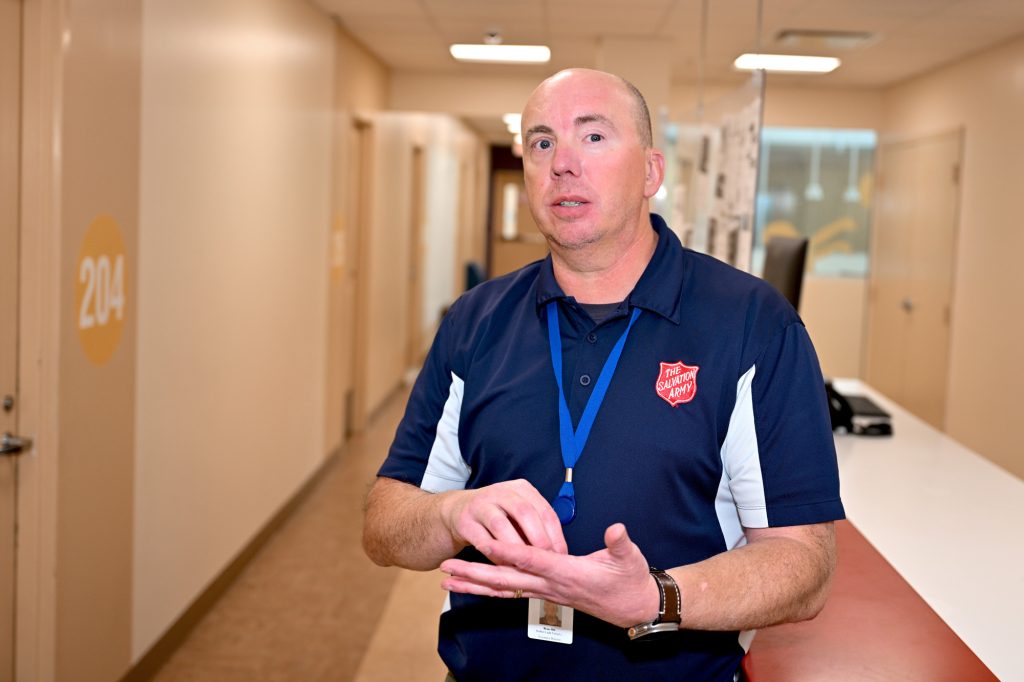
Beau Hill is executive director of the Harbor Light Complex in Cleveland, Ohio. Having worked there for 30 years now, he has seen the challenges and success stories that come with overseeing a shelter.
“We’re a residential social services facility that does a lot of different things,” says Hill. “We’ve dealt with individuals with behavioral health issues, trauma, and generational poverty.”
Harbor Light staff have witnessed generations come through their doors. Even with access to transitional housing at Harbor Light or temporary housing elsewhere, people often struggle to get past the baggage of living in poverty.
“Say someone cannot afford to pay their utility bill, and they eventually find themselves homeless, then in a shelter,” says Hill. “If a community program finds them an apartment, that’s great. But they still have that giant utilities bill they never paid, so they can’t even get gas in their home. So, they eventually return to the shelter.”
Sometimes the city wants shelters to take people in and move them out as quickly as possible. But that may not be the best thing for someone.
“We cannot become more administration centered than people centered. We need to show love to these folks first, help them get past their own baggage and crisis, and then move them on,” he says.
That love also extends to the employees of Harbor Light. Their responsibilities sometimes make them feel detached from the rest of The Salvation Army, according to Hill.
“Employees who work at a Salvation Army shelter don’t get the benefits of flexible schedules or remote work. If there’s a blizzard, or an event like COVID-19, and every corps in the area closes, the shelter can’t close. We still have people to look after.”
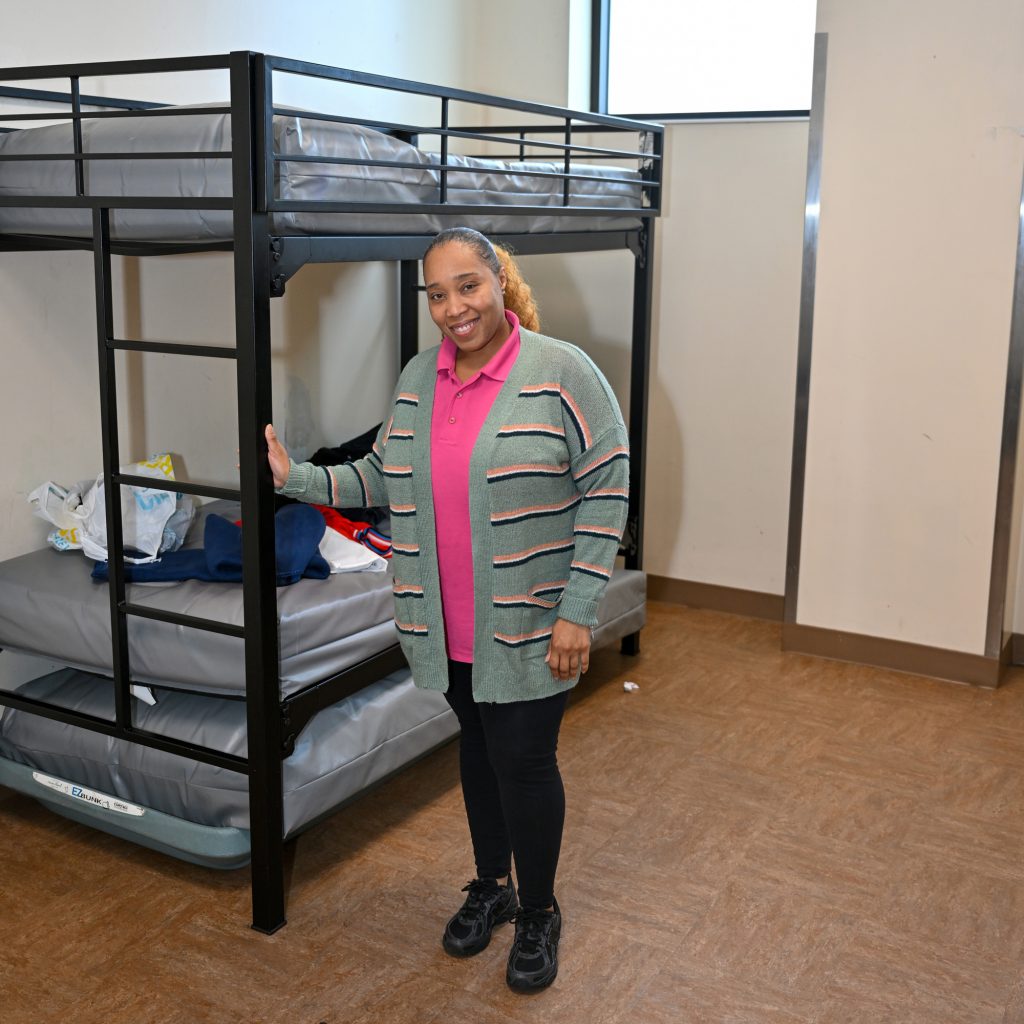

Jacquella Lattimore serves as program director of the Zelma George Family Shelter, which has 35 rooms for mothers and their young children in Cleveland, Ohio. Living units have easy access to the shelter’s playful first-floor community room. (Photos/Anytime Pictures)
This summer, the Echelon Cleveland chapter held a back-to-school event for the children who stay at the Zelma George Family Center, Harbor Light’s two-story reserved space for mothers with young children. There were carnival games, music, and backpacks filled with school supplies for every family. Events like those are needed, Hill says, to engage new volunteers and help them see the unique situations of shelter residents firsthand.
“Shelters should always have a focus on the single person or family that walks through the door. Sometimes that focus goes beyond appeasing some set administrative rules or a blanket service for everyone,” says Hill. “When I was growing up, the Salvation Army officer who had the most impact on me was terrible at following administrative tasks. Yet his corps was always packed. He loved everyone that came to him for help and knew each of them as an individual. When you genuinely love people, you create a culture where you meet their specific need and prepare them to move on.”
Shelter support
A college work-study program introduced Jenny Connor-Belcourt to The Salvation Army McKenna House in Concord, New Hampshire. Now she is McKenna’s shelter director and has seen people from all walks of life come through the doors of the co-ed 43-bed shelter.
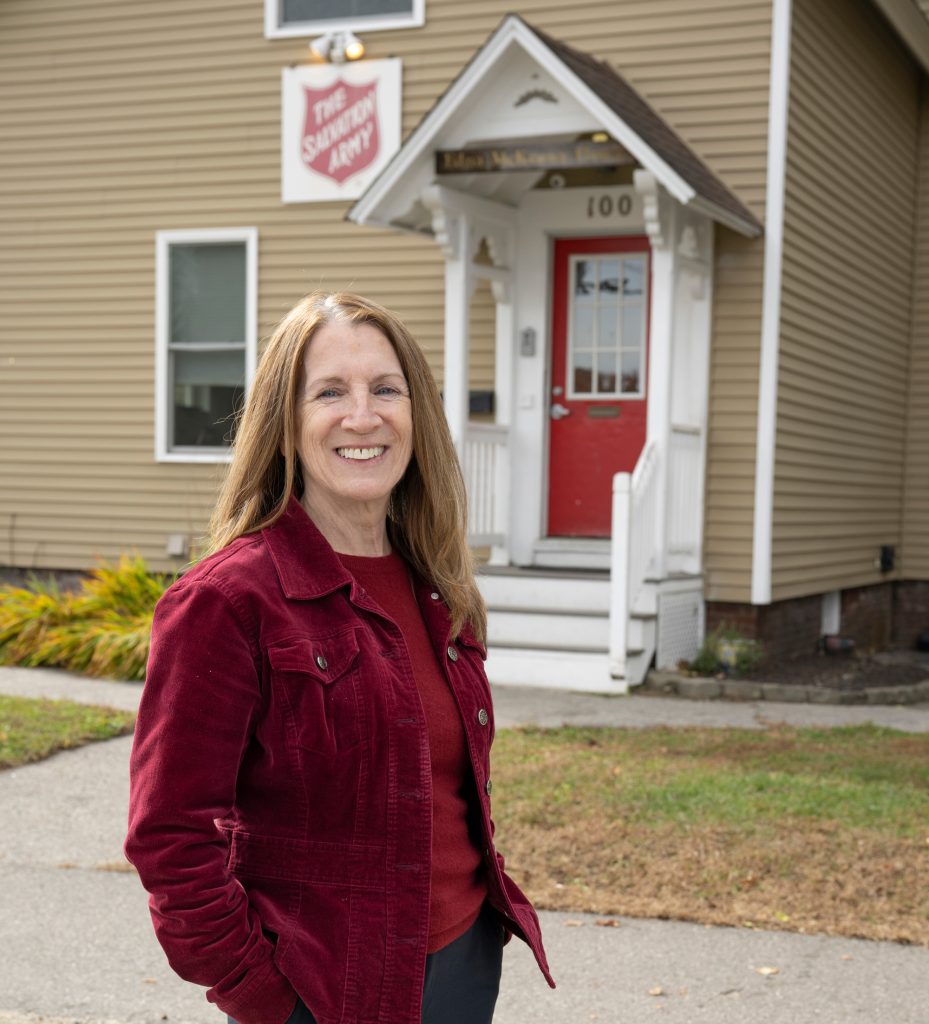
“We used to take in mostly people with mental health issues or substance abuse problems,” says Connor-Belcourt. “But now it’s also those who had steady homes and apartments in the past who now have no place to live.”
On the day of admission, each participant meets a case manager to begin accessing services that address basic needs. Individualized support continues throughout each resident’s stay.
“The ultimate goal is to establish a stable foundation for securing and maintaining permanent housing,” says Connor-Belcourt.
In some instances, rising housing costs or family circumstances like death or divorce can lead to homelessness.
“We had a man, Michael, who had lived in a home with his sister his entire life. He helped maintain and upkeep the house for her. When she passed, her son took over the home and kicked the man out,” she says. “Decades of building a life, gone.”
Like so many others at McKenna, Michael found his own purpose to move on from his situation. He worked at the building’s front desk and was embraced by members of a shelter community that supports one another, even after they’ve found a home.
“Residents at McKenna become lifelong friends,” says Connor-Belcourt.
McKenna, the Concord Corps, and the Army’s local thrift store coordinate efforts to provide volunteer opportunities and clothing vouchers for individuals who arrive at McKenna with nothing but the clothes on their backs. When they find permanent housing, the thrift store is ready with household items for their new living arrangements.
“We are so fortunate to work with a staff and officers who pastor to our residents,” says Connor-Belcourt. “They can receive need-based services and participate in volunteer work that will show they can be self-sufficient when they leave us.”
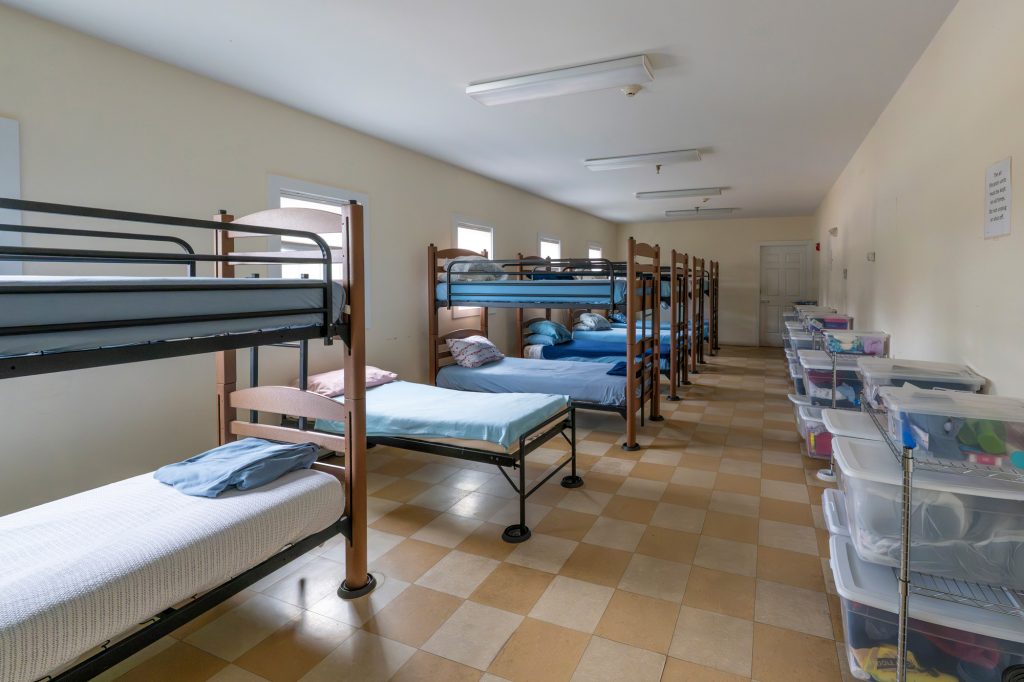
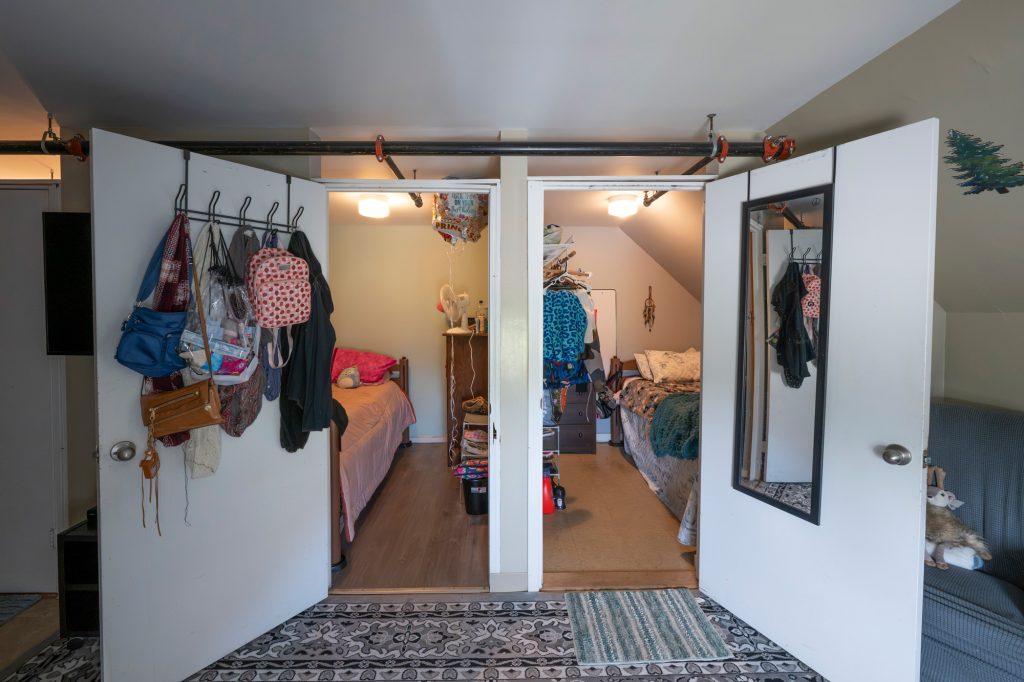
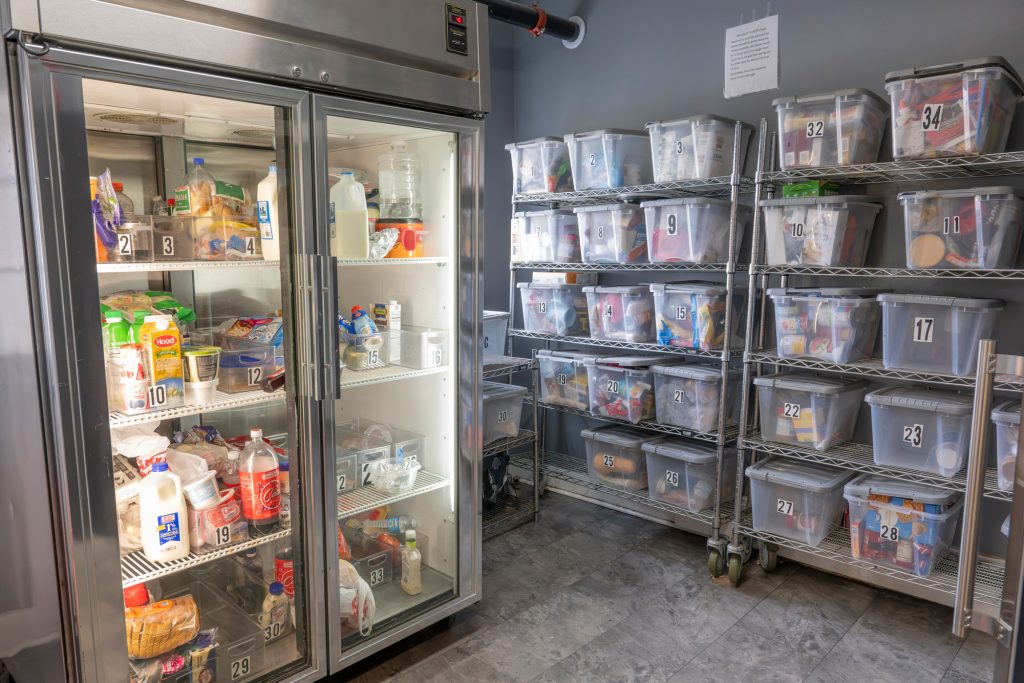
In addition to its resident dormitories, McKenna House offers transitional living rooms for residents taking steps toward securing permanent housing. These residents often serve as role models for others and volunteer at the front desk. The shelter also has a dedicated food storage area, where refrigerated and dry goods are organized by residents’ bed numbers. (Photos/Melissa Ostrow/MelOPhotos)
The McKenna House and The Salvation Army’s work is supported through partnerships with the New Hampshire Bureau of Homeless Services and other state and local agencies and organizations. Connor-Belcourt says these relationships give the McKenna House a sense of status and belonging among its outreach peers that allows them to continue the work done in Concord.
“McKenna House is respected among those city organizations. That’s the result of the people who have worked and volunteered here over the years,” says Connor-Belcourt.
But in her eyes, it’s the ministry of The Salvation Army that makes McKenna stand out in Concord. Many of its residents arrive with a strong faith in the Lord and crave the safety, structure, and security of a place like The Salvation Army. It’s those people, she says, who truly embrace the corps and bring a transformative influence to the other residents of McKenna.
“I love having a front-row seat to that,” she says. “It’s an honor to be part of it.”
Philly hope
Still in its early years, Hope 220 shares key qualities with established shelters such as McKenna House and Harbor Light: a staff dedicated to meeting individual needs and strong community connections that help its ministry succeed.
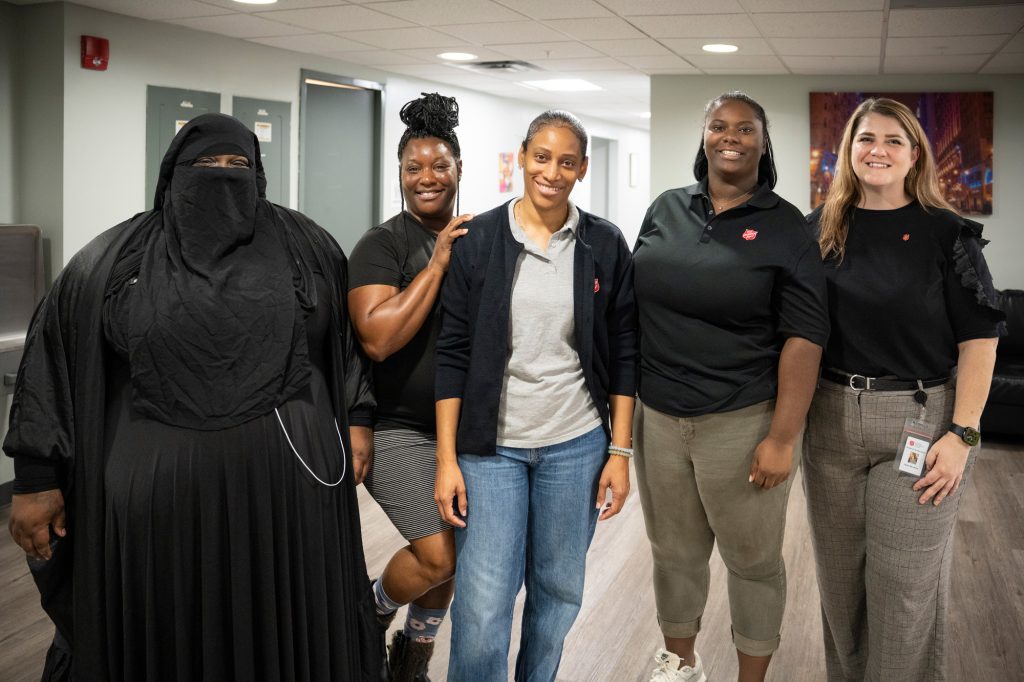
Sabirah Dorsey, assistant director of Hope 220, lauds partnerships with local organizations such as Behavioral Health and Intellectual Disability Services (DBHIDS) and Jefferson Health. Such connections develop trust in Hope 220 and its ability to deliver real help to its residents.
“There’s a big homeless population that just doesn’t trust shelters or communal living. They may have been treated badly in other places and think it’s safer to be on the streets. That’s a hard mindset to break,” says Dorsey.
“But DBHIDS has outreach teams that have toured our facility. Those teams have relationships with the people on the street, and they can communicate our message for us.”
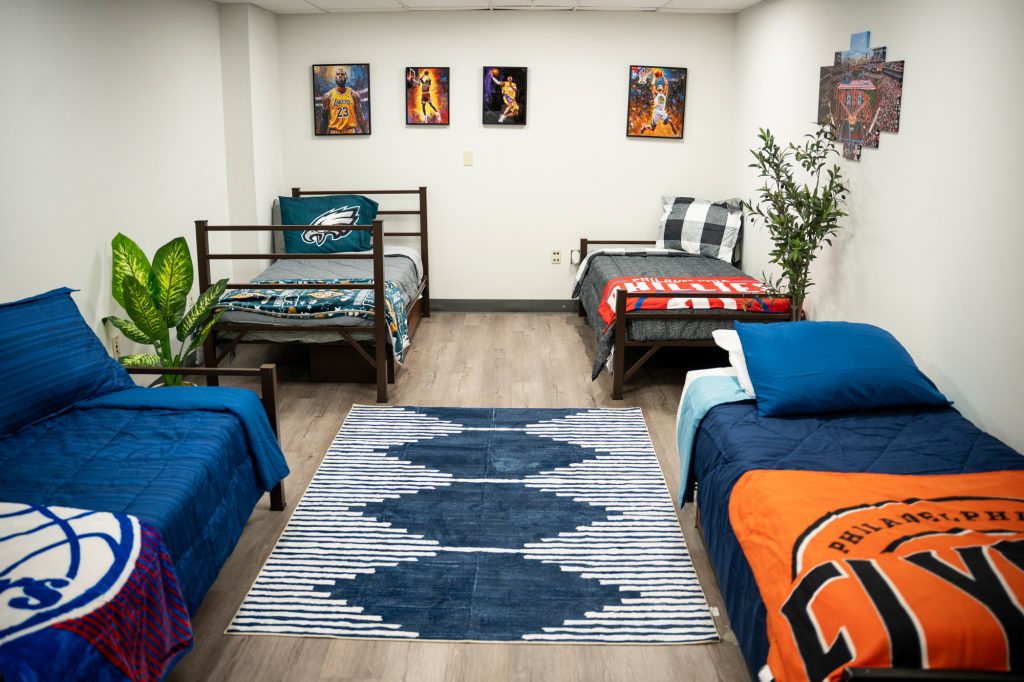
The staff at Hope 220 is trained to mediate and diffuse clashes that can come with communal living, especially if one person is living with mental health problems. As it has been proven in countless Salvation Army ministries, success comes with treating each issue and individual as its own unique situation. Sometimes taking a person out of homelessness requires more than just giving them a home.
“We had a widow from Africa who had no access to her or her late husband’s pension. Her children were in Africa and could not help her,” says Dorsey. “But our case managers guided her to what she needed to have access to her money. After that, she was ready to transition to housing.”
Another woman, one of Hope 220’s first clients, had gone from shelter to shelter, seen as just another number, until she arrived at Hope 220.
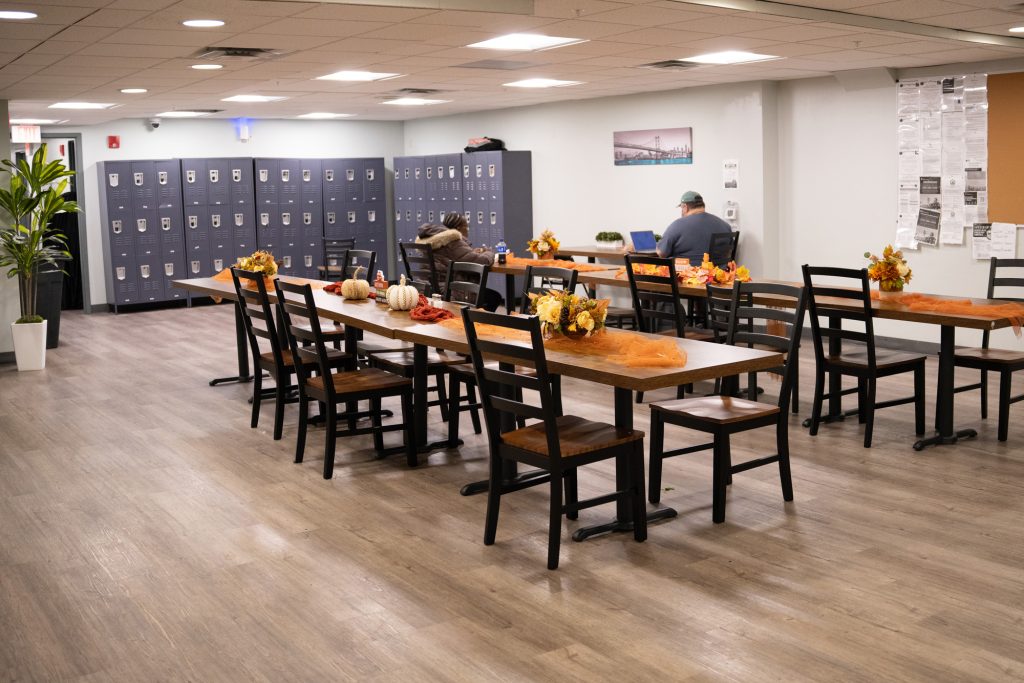
“With some digging, we learned she wasn’t homeless, or even from Philadelphia,” says Dorsey. “She was suffering from Alzheimer’s, and her family had been searching for her for months. We got in contact with her son and were able to provide real help and bring peace to that family.”
Philadelphia’s Mayor Cherelle Parker has called Hope 220 a “solution center,” acknowledging The Salvation Army’s ability to “not just shelter those living on the streets, but also put them on a path to leave the streets permanently.”
“It’s a real advantage that our city and our donors trusted us to figure it out and gave us a blank canvas to work with. It allowed us to chart our own new process,” says Kelly Devlin. “Hope 220 is a pilot program that we hope will set an example of what shelter work should be.”
Philadelphia, like Cleveland and Concord, is a city going through an affordability crisis. Beyond the price of housing, people must figure out how to pay for food, utilities, and transportation to work.
“People are being forced to choose between paying rent, feeding their families, or putting gas in their car. And it feels like there’s no relief in sight,” says Devlin. “Except when you come to The Salvation Army.”