Generosity and Service: Sacrifices That Please God
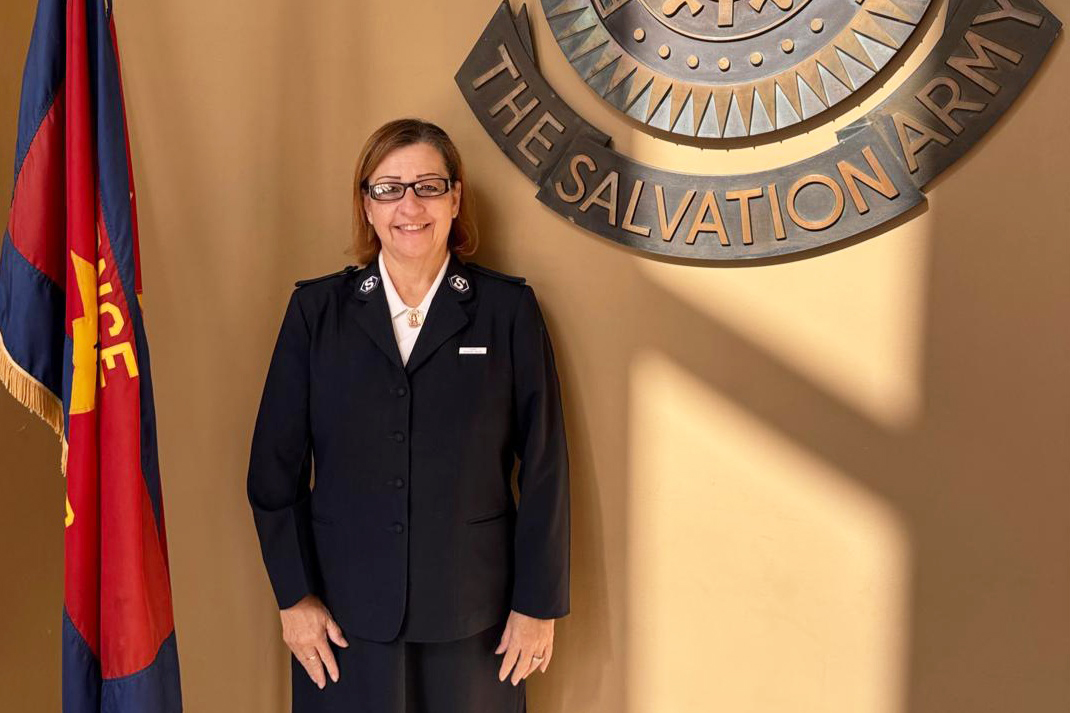
by Commissioner Susan Bukiewicz
Based on Hebrews 13:14–16
Forty-five years ago, as a young corps officer, I wore many hats. I was the social worker, the food pantry manager, and the coordinator of our monthly in-kind food distribution. Our first corps community was very underserved. Most families lived below the state poverty level, and more people were out of work than employed. We had one staff member besides ourselves.
My budget for meeting our neighbors’ material needs was limited, and it was usually spent by midmonth. Yet every month I had a front-row seat to watch God work, and He blessed us in beautiful ways.
It would have been easy to close our doors when the resources ran out. But my officer parents had shown our family that personal discipleship and the ministry of service belong together. In my mom and dad, I saw a beautiful example of nobility and respect toward people in need. Preserving the dignity and worth of every person was sacred. From that conviction, they presented the gospel and watched so many come to know God’s love. Their service flowed from their commitment to God’s Word, their unconditional love, and their desire to bear Kingdom fruit.
Hebrews 13:14–16 (NLT) paints a powerful picture of Christian discipleship:
For this world is not our permanent home; we are looking forward to a home yet to come. Therefore, let us offer through Jesus a continual sacrifice of praise to God, proclaiming our allegiance to his name. And don’t forget to do good and to share with those in need. These are the sacrifices that please God.
Our faith is more than belief; it is practice. Through the sacrifice of Jesus Christ, we have been given access to God, and in response we are called to lives marked by praise, generosity, and service. These are the sacrifices that please God.
This calling will lead us beyond familiar surroundings into places of need, loneliness, poverty, injustice, and brokenness. Just as Jesus went where others would not go, His followers are called to reach those whom society overlooks. What a privilege to walk where Jesus walked!
When we remember that our ultimate citizenship is in God’s Kingdom, we see our possessions, time, and resources in a new light. Everything we have is temporary and ultimately belongs to God. We are not owners but stewards, entrusted with blessings not merely for personal comfort but for Kingdom purposes. Generosity is an investment in what lasts forever, and every act of kindness, service, and compassion leaves a legacy that outlasts earthly wealth.
Our “continual sacrifice of praise to God” is far more than singing worship songs; it is a lifestyle of gratitude and devotion. A heart filled with praise naturally overflows into service. When we are grateful for God’s grace, we extend grace to others. When we recognize God’s generosity toward us, we become generous ourselves.
Generosity is not optional for believers; it is a visible demonstration of God’s love at work within us. It reaches beyond finances to include our time, abilities, encouragement, hospitality, and compassion. Someone near you may need your presence, your listening ear, or your helping hand even more than your money.
Generosity also reflects the character of God, the ultimate giver, who offered His Son for the salvation of the world. In a culture that promotes self-interest and accumulation, Christian generosity is a powerful witness. It declares that love matters more than possessions and people matter more than personal gain. Love has the final word.
Many people think of worship as something that happens in a corps chapel. Hebrews broadens our vision: Service to others is itself an act of worship. When we feed the hungry, comfort the hurting, support the struggling, or encourage the discouraged, we offer sacrifices that delight the heart of God. Such service takes humility and often goes unnoticed, but take heart: God sees every act of kindness, no matter how small. May our lives be marked by open hands, willing hearts, and faithful service.
For these are the sacrifices that please God.