(Photos/Courtesy of The Ashland Salvation Army Ray & Joan Kroc Corps Community Center)
Drone Soccer Soars at Ashland Kroc
by Hugo Bravo
After a positive response to its first session in January, the Ashland, Ohio, Salvation Army Ray & Joan Kroc Corps Community Center is bringing back drone soccer.
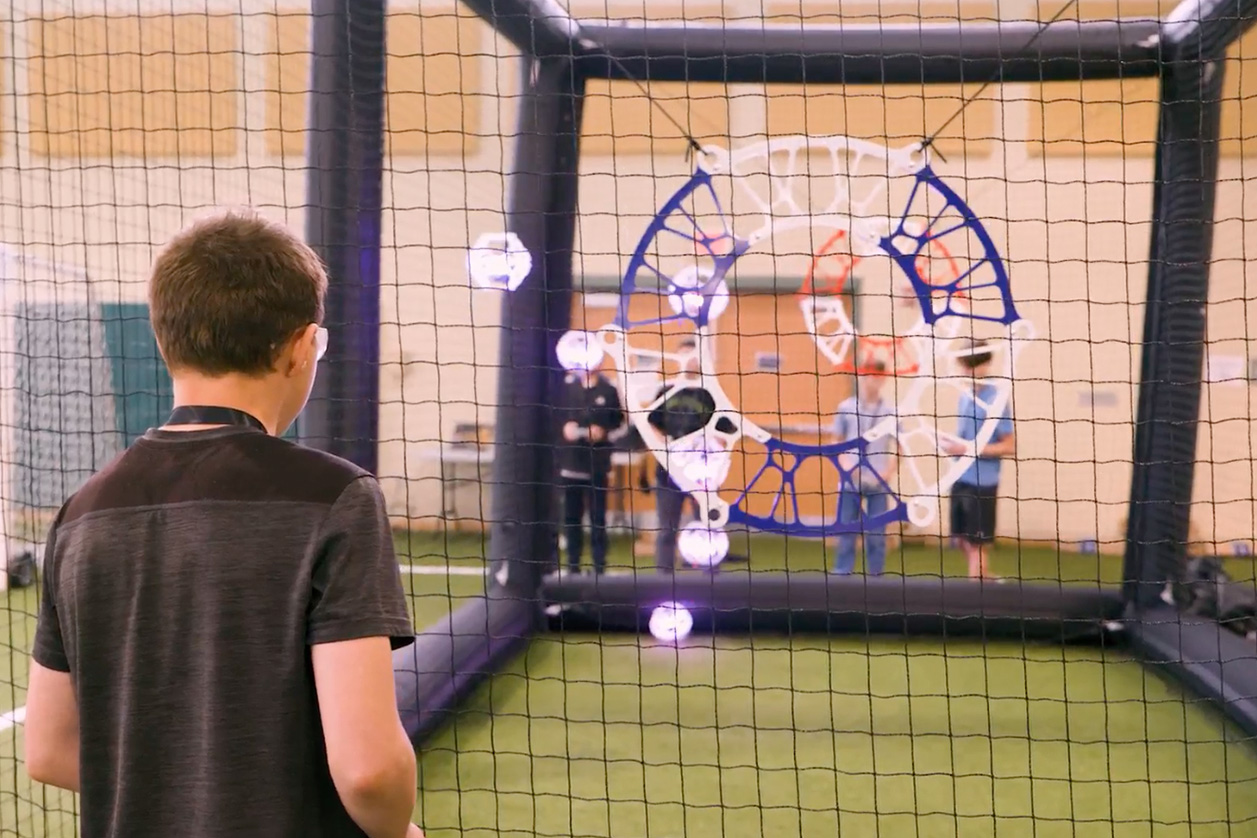
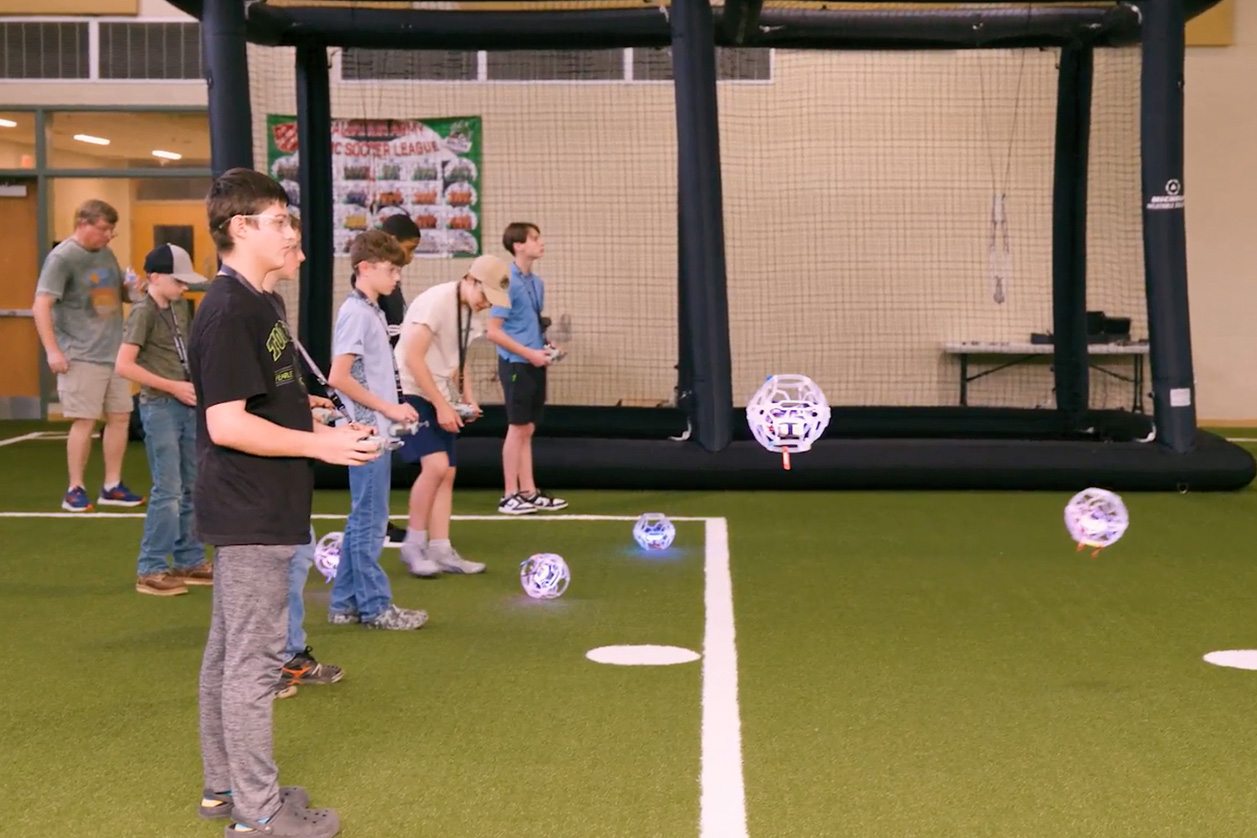
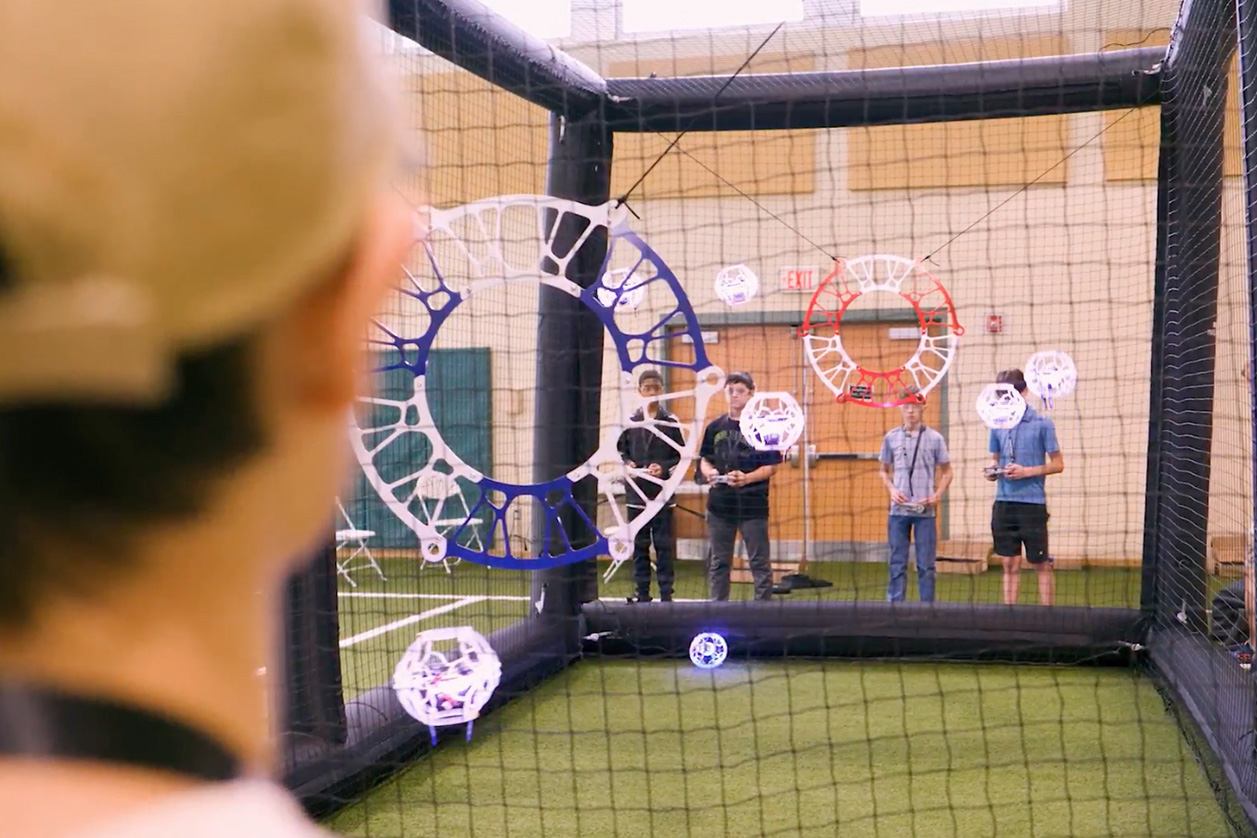
In drone soccer, two teams of three to five drones compete to fly their scoring drone, or striker, into the other team’s goal. The game is played in a caged area, and the drones are built with a protective sphere around them. This makes them able to withstand crashes against the cage walls and other drones. Victory requires team strategy and knowledge of physics and basic mechanics; competitors are responsible for building, programming, and piloting their own drones and protection gear. Through the U.S. Drone Soccer League, the sport has been embraced as both competition and a way to introduce young people to STEM education (science, technology, engineering, and math).
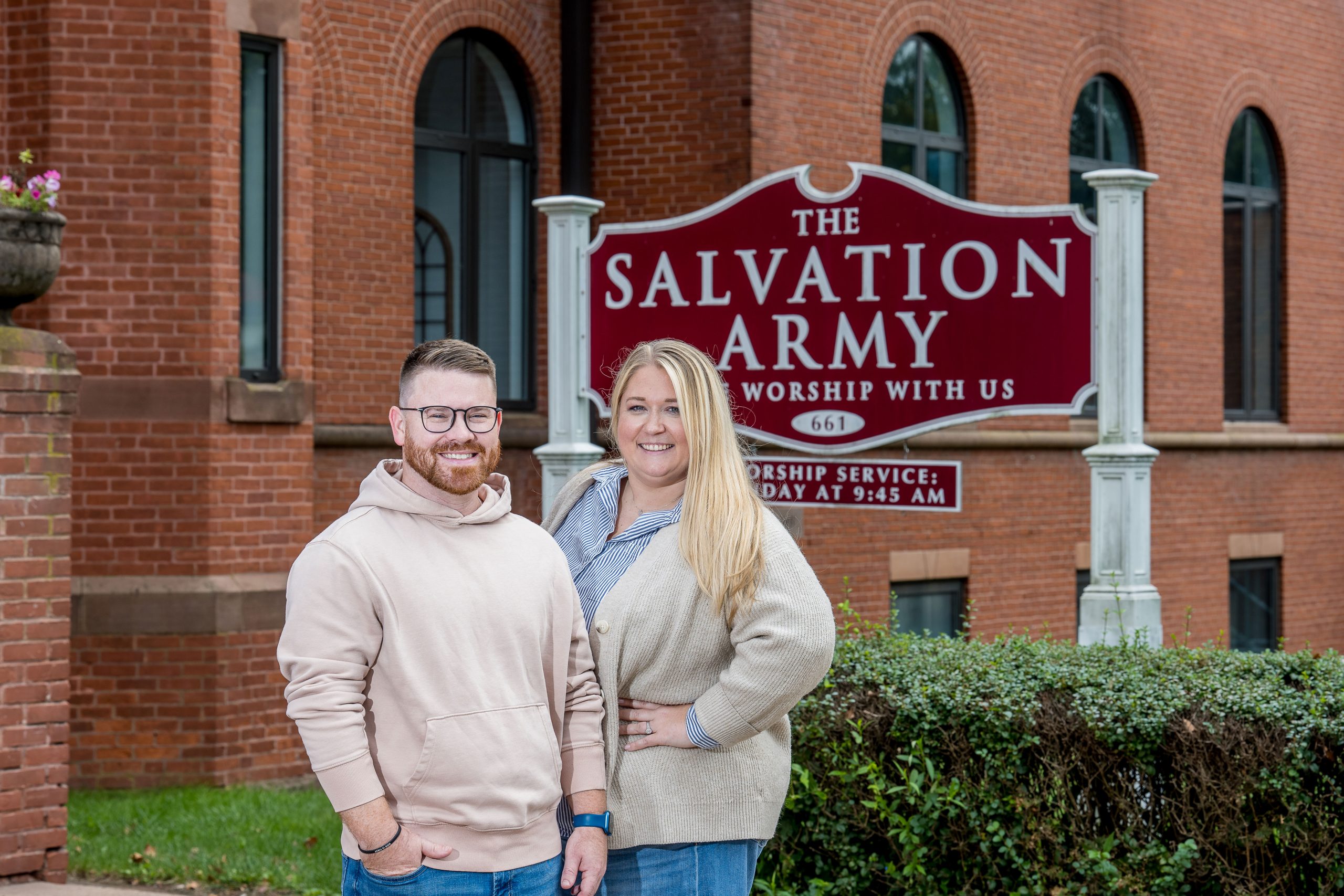
The idea to incorporate drone soccer into the Ashland Kroc’s list of programs and activities first came about in 2023. That’s when a professor from Ashland University discussed the growth and popularity of drone soccer with Major Annalise Francis, corps officer at the Ashland Kroc.
“We decided to move forward and find a way to bring it to our community,” says Francis.
The Kroc partnered with organizations like the Braxton Miller Foundation, a supporter of Ohio youth sports and STEM projects, and the Ashland school district, which was excited to use drone soccer to prepare students for a future in science and technology. The district purchased all the materials needed to provide drone education at their middle school.
“Drones are unique in that their role in the workplace just keeps growing,” says Francis. “Learning how to operate them opens career development opportunities, especially in rural communities like ours. In Ashland, you see drones in everything from construction to police work.”
Flying lessons
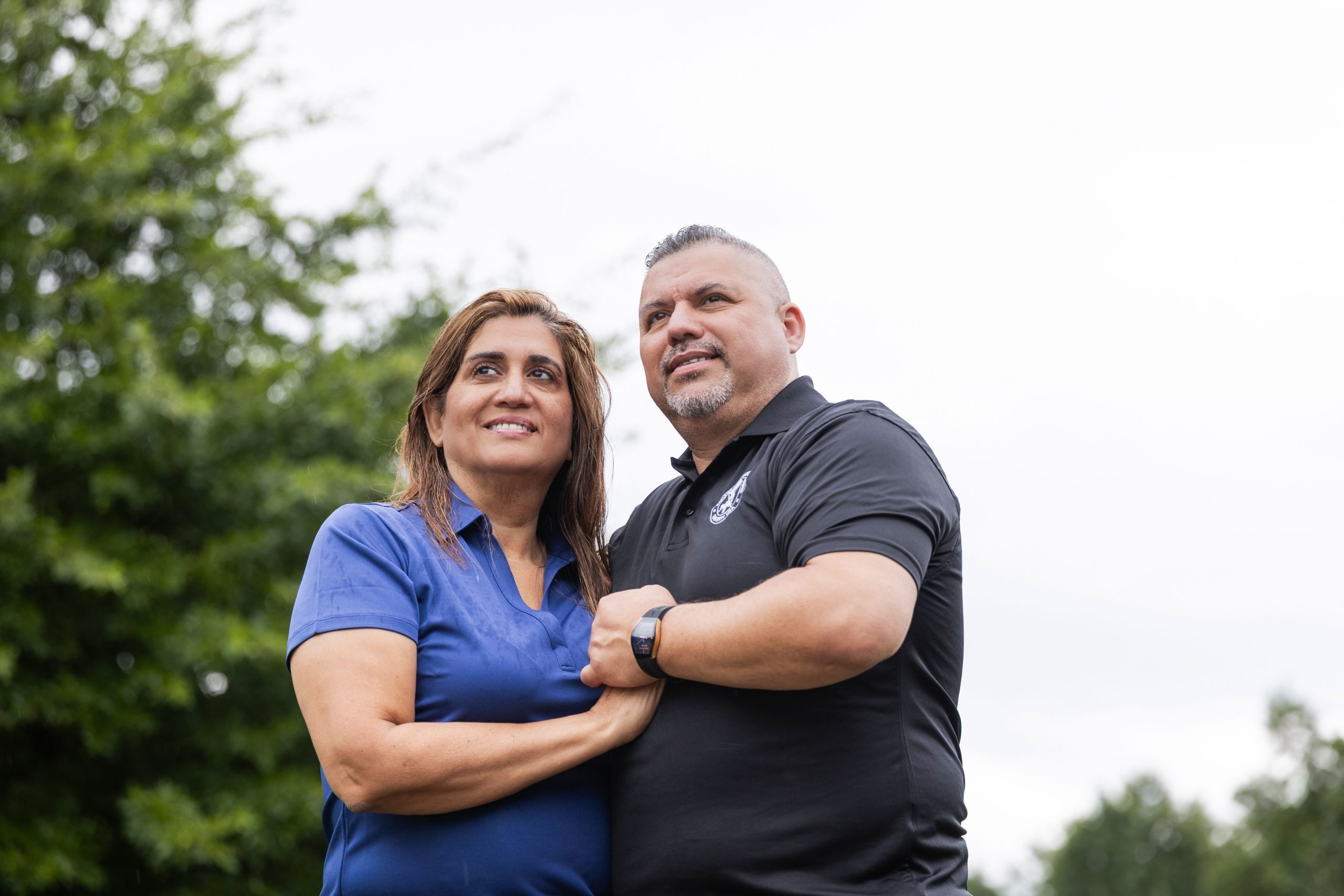
Parrish Lanzer first became involved with the Kroc’s drone soccer program as an assistant coach, but everyone agrees that his background and knowledge in computer science was crucial in getting the program running to where it is today.
“I love aviation, and I love getting young people involved in it,” says Lanzer. A member of the Academy of Aeronautics, he recently retired after a career in information technology at Goodyear. “I’ve built drones myself and was familiar with drone soccer, but it wasn’t something I’d explored because it comes with a big upfront cost, along with the space requirements to compete.”
Lanzer joined the Kroc Center when he saw how determined it was in its push for drone soccer. He also taught the instructors at the middle school about drone soccer.
“It’s important to know the difference between the drones we use and the drones that you see fly with cameras,” he says. “When you understand the internals, it makes it easier to be successful in the sport.”

Parrish Lanzer, right, a drone enthusiast and member of the Academy of Aeronautics, is coaching the drone soccer team.
An inclusive sport
Lanzer and Amy Morgan, education director at the Ashland Kroc, have become ambassadors for The Salvation Army’s drone soccer program. They’ve attended official coaches’ meetings and brought a drone soccer demonstration to a middle school open house.
“The students who participate in those STEM classes are bused after school to the Ashland Kroc to continue their education on drone soccer, including training for state competition,” says Morgan. “We also brought in children from the Learning Zone, the Kroc’s own after-school program. And older kids who took our first class are coming back and giving their own time to mentor the beginners.”
With the combined efforts of the Kroc and the school district, the fall drone soccer session has had full attendance of both boys and girls. Every team that competes in the U.S. Drone Soccer League is required to be co-ed, making girls’ presence in the program crucial to the Kroc’s growth in the sport.
“You will find girls who light up when they get involved,” says Lanzer. “Not just competing, but also in soldering, wiring, and everything that has to do with building their drones. They thrive in it.”
“That was important to us,” says Francis, “because we want girls to see themselves in STEM careers, not just boys.”
Lanzer notes that the U.S. Drone Soccer League has reached out to veterans, many of whom have experience operating drones from their service. Introducing them to drone soccer puts them on a path to be competition referees and eventually team coaches.

“The drone soccer community is a small but encouraging one that really gives each other support,” he says. “It’s a lot of emails, updates, and sharing of ideas among every team and program. It’s overwhelming! They’re all very grateful for what The Salvation Army in Ashland is doing.”
It’s fitting that the Ashland Kroc, the first to open in The Salvation Army U.S. Eastern Territory, would be the first to introduce a new activity for the Army to engage in. It’s only a matter of time before the Ashland Kroc’s first drone soccer team, proudly wearing the Army’s shield, competes with other organizations and makes its presence felt.
“We’ve helped bring STEM to the community of Ashland, and at the same time, brought a new activity to its young people,” says Francis. “For those kids, drone soccer has become their sport.”